
In today’s fast-paced electronics market, consumer products often have lifecycles of just six months. However, industrial, medical, and other highly regulated products can remain in service for years, sometimes decades, without major revisions. While this stability is beneficial for reliability, it often means these products still rely on legacy component technologies that may be driving up costs and creating supply chain risks.
The Challenge of Redesign
However, the main reason legacy PTH designs persist isn’t technical; it is economic. Redesigning a board requires engineering resources and requalification costs, which many teams hesitate to invest in. In today’s market, this hesitation can be costly. Manual or semi-automated PTH assembly is labor-intensive and expensive, especially compared to modern Surface Mount Technology (SMT), which enables high-speed automated production. Beyond labor costs, legacy designs also increase testing costs, risk of component obsolescence, and limitations to new functionality.
Relying on outdated PTH technology exposes manufacturers to supply chain disruptions and extended lead times. SMT conversion not only reduces costs but also improves resilience by leveraging widely available component packages and advanced automated test systems.
Why Redesign Makes Sense
Modernizing a PTH-based PCBA for SMT assembly can deliver significant benefits:
- Lower production costs through automation
- Reduced defect risk by eliminating manual variability
- Improved reliability with SMT packages for resistors, diodes, and capacitors
- Enhanced functionality during redesign
- Better test coverage with advanced automated test systems
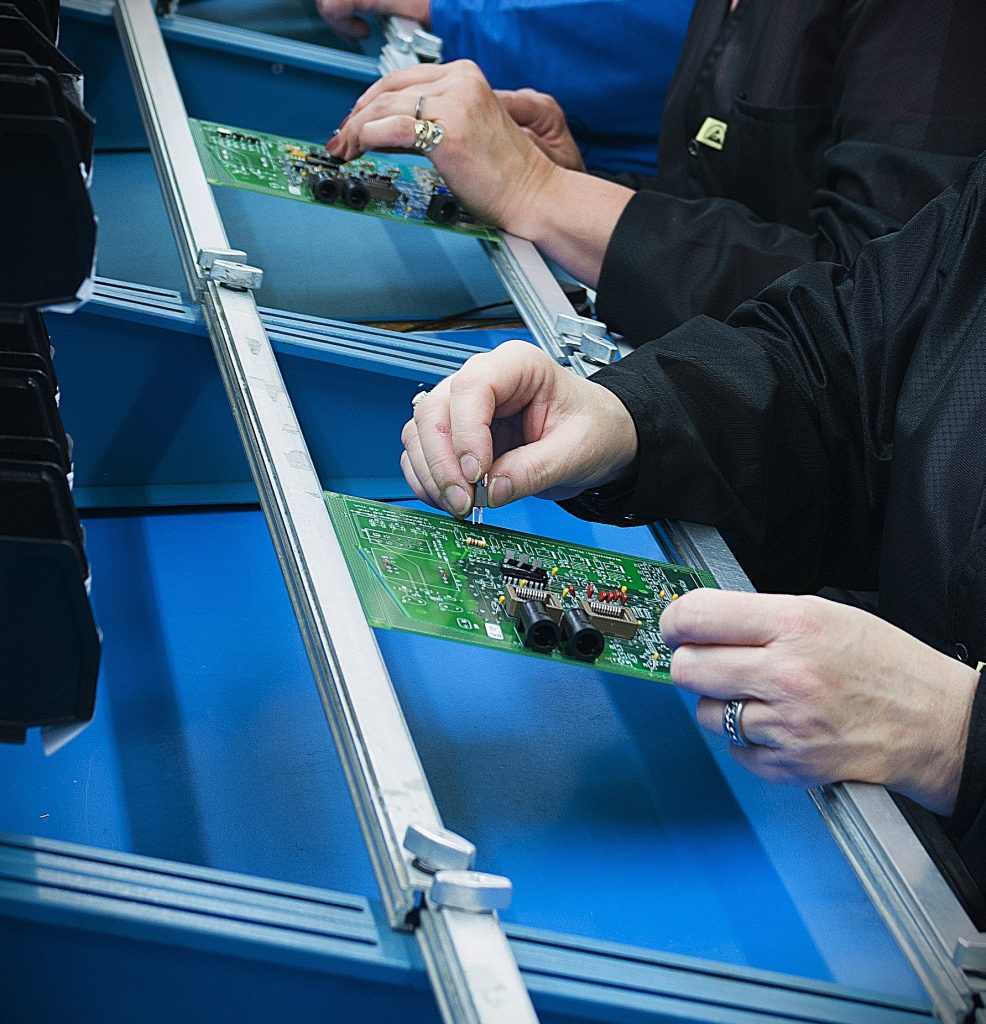
At Burton EMS, we have helped customers achieve significant savings through PTH-to-SMT conversions. In one case:
- Supply chain risk was reduced by replacing obsolete PTH parts with readily available SMT equivalents.
- Production lead time dropped due to automated assembly.
- Automated test coverage improved.
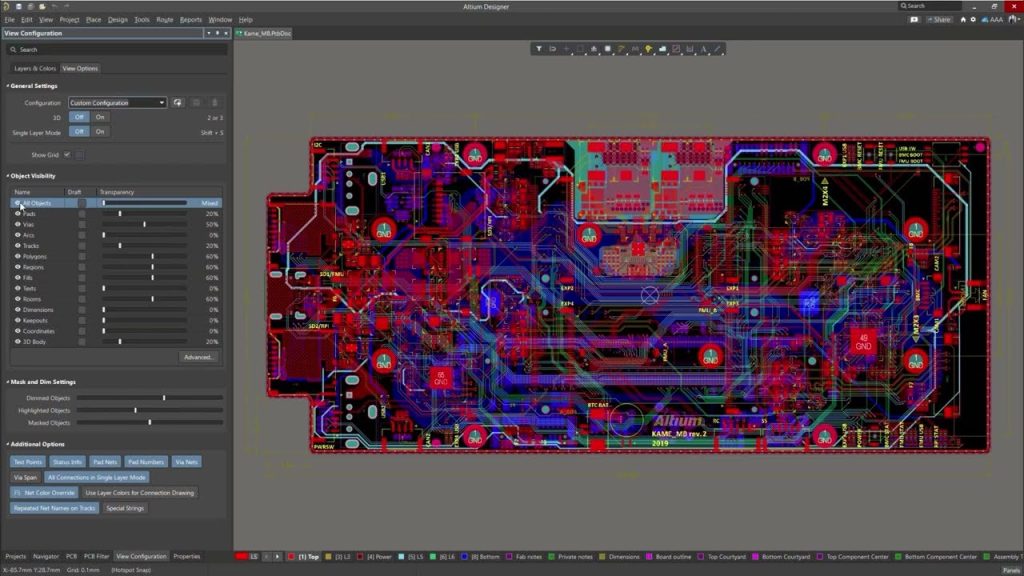
For straight PTH-to-SMT conversions, our engineering team uses reverse-compatible SMT parts based on the original schematic. Firmware source code guides microprocessor selection, and tools like Altium Designer and IPC standards ensure accurate component mapping and board layout.
When adding functionality, complexity increases, but so do the benefits. The combination of tools used ensures redesigns are optimized for cost, reliability, and future scalability. Depending on the project’s lifecycle and volume, this can deliver ROI in less than six months.
Best Practices
- Component Lifecycle Analysis: Evaluate obsolescence risk, packaging availability, and alternate sources.
- Design for Manufacturability (DFM) & Testability (DFT): Ensure the redesign supports automated assembly and testing.
- Supply Chain Strategy: Favor components with strong availability and vendor reliability.
- Sustainability: Consider RoHS compliance and energy-efficient processes.
Burton EMS offers free initial analysis and budgetary quotes to help you determine if a redesign is cost-effective. In most cases, labor savings alone justify the conversion and the added benefits make it a strategic move.
If your product still relies on PTH technology, now is the time to evaluate the cost, risk, and missed opportunities. SMT conversion can lower costs, improve reliability, and future-proof your design.
Contact Burton EMS today to start your redesign.
