
Over our 47 years at Burton EMS, we have witnessed the electronics market swing from surplus to the tightest supply crunches in history. Our goal has always been to act as the reliable bridge between the design and a finished, high-quality PCB assembly.
The latest Future Electronics Market Conditions Report for March 2026 shows significant shifts in the Discretes market. Whether you are balancing a budget or a bill of materials, here is what you need to know to keep your production lines moving.
Lead Times and Pricing Snapshot
Recent data indicates that “standard” lead times are becoming a thing of the past for several key manufacturers. We are seeing a trend toward allocation and extended horizons in several categories:
- Nexperia Supply Freeze: Major players such as Nexperia are reporting lead times of 52 weeks across nearly their entire discrete portfolio, including Low Voltage MOSFETs, ESD, and Zener Diodes. Nexperia’s 52-week lead times across its full discrete lineup stem from a still-unresolved legal battle between its Dutch headquarters and Chinese owner Wingtech Technology. Since October 2025, wafer supply to the main Chinese assembly plant has been halted, forcing production to shift to Malaysia. That transition is still ramping and cannot yet handle full volume, exactly as noted in Future Electronics’ March report.
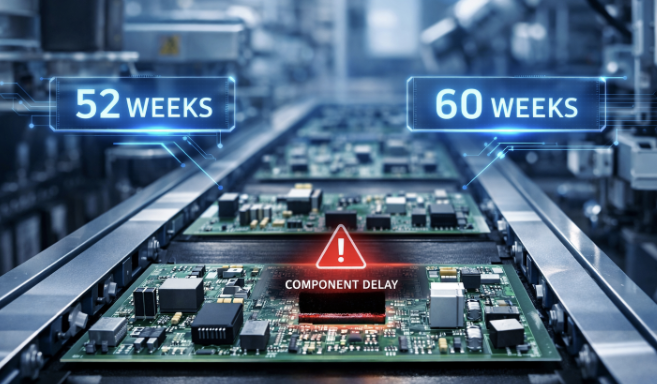
- Extreme Outliers: Certain high-demand parts are pushing even further. Littelfuse IGBTs are currently quoted at up to 60 weeks, while Vishay Zener Diodes are also reaching the 60-week mark.
- Pricing Volatility: We are seeing selective increases in categories like Littelfuse Fuses and upward pricing trends across the board for Diodes, Inc, and onsemi products.
For the Purchasing Professional: Managing the “Longest Lead”
Your schedule is still dictated by that single longest-lead component. When one part sits at 52–60 weeks, it becomes your entire program timeline.
Action steps right now:
• Lock in Nexperia and Littelfuse IGBT positions today. Orders placed now are landing no earlier than late Q4 2026.
• Secure pricing on any line showing an upward arrow before the next adjustment hits.
• Review your 2026–2027 forecasts this week so you are not fighting for queue position later.
For the Engineer: Designing for Stability
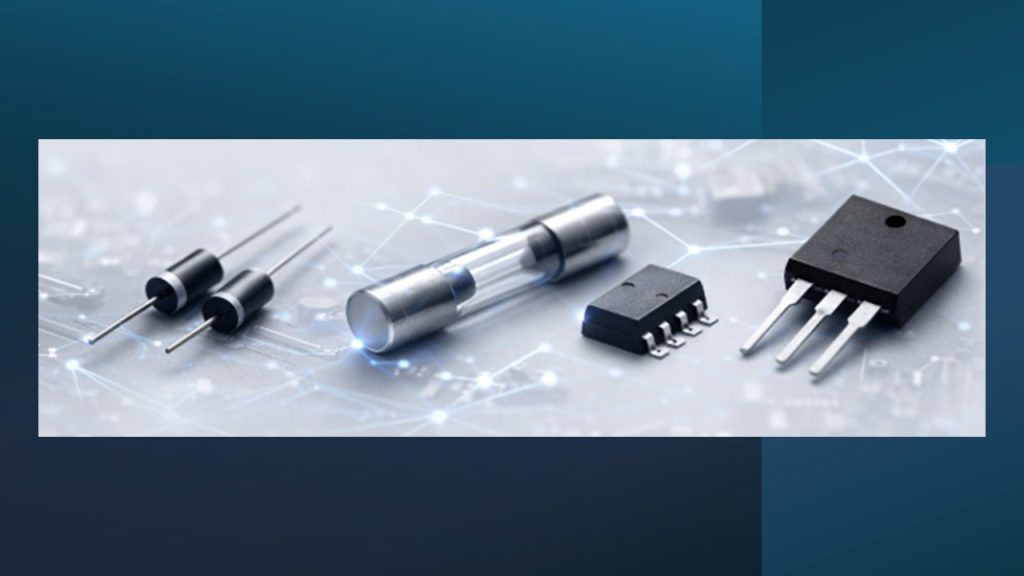
New designs need more than just performance specifications; they need a supply chain that actually exists.
Watch these red flags in the March report:
• Nexperia’s 52-week stretch on almost every discrete type.
• onsemi showing allocation notes on common small-signal packages (SC-70, SOT-23, SOT-89, SOD-123, SOD-323, TO-92, DFN, etc.).
• Multiple manufacturers with upward pricing arrows on the exact packages you are likely to spec.
Quick wins:
• Pull your current BOM and flag any Nexperia or onsemi small-signal parts today.
• Start evaluating second-source options while you still have design margin. Crosses are standard, but some popular Nexperia alternates are already tightening.
• Early engineering and purchasing collaboration here can shave months off your NPI timeline.
The Burton EMS Advantage
At Burton EMS, we don’t just build boards; we manage complexity. Our sourcing team is actively monitoring these shifts to ensure your projects don’t hit a brick wall due to a missing diode. Review your 2026-2027 forecasts now.
Would you like us to run a “BOM Health Report” on your current BOM to identify which of these long lead time components might put your next build at risk? Contact us today!
