
Over the past year, much of the conversation surrounding electronics supply chains has focused on component availability. While many semiconductor and passive component lead times have stabilized, another challenge is emerging that manufacturers cannot afford to overlook: PCB material availability.
Copper-clad laminates (CCL), prepregs, and other key PCB fabrication materials have experienced increasing lead times and rising costs over the past several months. Driven by surging demand from AI servers, data centers, and high-layer-count boards, these constraints are directly impacting PCB pricing and delivery schedules.
Looking Beyond the BOM
When evaluating a new project, many organizations focus primarily on component availability. While this remains important, PCB materials are becoming a larger factor in overall production timelines.
Recent market data highlights the severity:
- High-performance servers using 20–30 layer PCBs with low-loss materials are driving uneven demand, heavily affecting suppliers.
- Industry-wide shortages of 1080 glass cloth have been widely reported.
- Lead times for several key materials have extended dramatically (some now 90–150+ days), with certain prepregs already exceeding 6 months.
The earlier these risks are identified, the more options manufacturers have to keep projects on track.
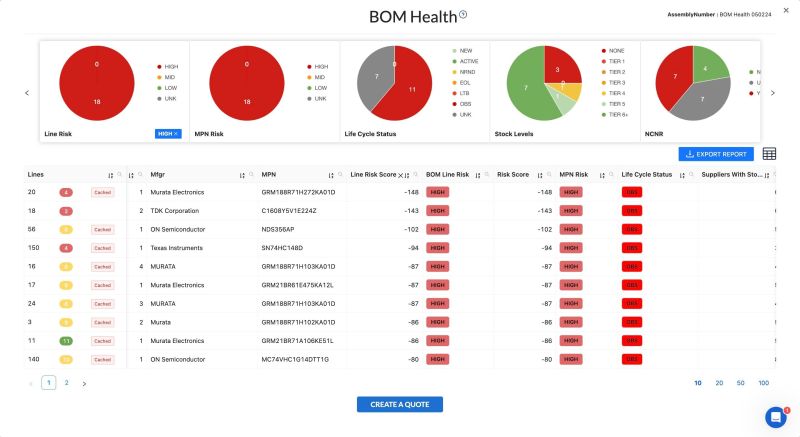
The Value of Early Engagement
One of the most effective ways to reduce supply chain risk is involving your manufacturing partner early in the product lifecycle.
At Burton EMS, our NPI and quoting process goes well beyond basic component checks. We now evaluate:
- Material availability, lead-time risks, and allocation status
- BOM health, lifecycle concerns, and alternate material options
- Design for Manufacturability (DFM) opportunities, including stack-up flexibility
- Forecasting and production planning requirements
By reviewing these factors up front, we help customers make informed decisions before constraints affect schedules or budgets.
Current Market Realities (May–June 2026)
Independent vendor market updates confirm the pressure:
- CCL & FR-4 Pricing: FR4 prices have risen 45–55% on average over the past six months, with multiple rounds of increases since late 2025. Raw material drivers include copper (+50–65%), glass fabric (+150–200%), and epoxy resin.
- PCB Cost Impact: Overall PCB costs are up 20–40% in many cases, with hi-layer, hi-speed, thick copper (2 oz+), and high-gold-surface boards seeing increases as high as 70–80%.
- Lead Times: Many common materials now carry 40–150 day leads; some suppliers have stopped accepting new orders entirely.
- Drill Bits & Routers: Supply remains tight (demand exceeding supply in 2026), with prices rising sharply (+30% for drill bits, up to +100–267% for routers) due to tungsten carbide shortages.
These conditions are expected to persist through 2027, as capacity expansions are limited by raw material availability, equipment lead times, and qualification cycles.
Planning Ahead Creates Flexibility
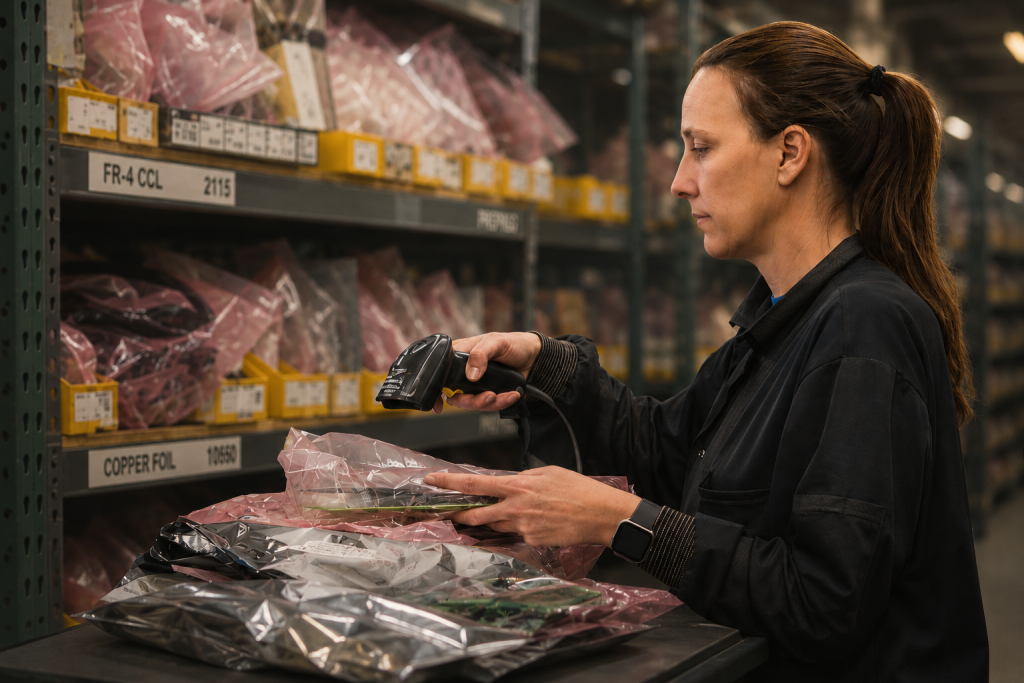
In response, Burton EMS has extended our material planning window from 8 weeks to 16 weeks (and in some cases longer for constrained items). This proactive stance helps secure allocations and improves schedule reliability for customers.
Key actions we recommend:
- Share forecasts early and plan for longer lead times.
- Consider equivalent or alternate materials (we can help qualify options)
- Optimize designs for material utilization and avoid non-standard or high-risk items (e.g., certain 1080 glass constructions) where possible.
- Carry strategic inventory for production runs rather than relying solely on Just-in-Time.
The more visibility we have into future demand, the better we can manage risk and protect delivery commitments.
Building Resilient Supply Chains
Supply chain challenges continue to evolve. While the industry has made progress in some areas, new constraints are emerging elsewhere. Companies that proactively plan for these changes will be better positioned to avoid disruptions and maintain production schedules.
With more than 48 years of supply chain management experience, Burton EMS helps customers navigate changing market conditions through proactive planning, engineering collaboration, BOM risk analysis, and strong supplier relationships.
If you are preparing for a new product launch or evaluating future production requirements, engaging your manufacturing partner early can make all the difference.
Contact the Burton EMS team today for a material risk assessment on your next project. Let’s build resilience into your supply chain together.
